
F5 K: An In-depth Exploration of Its Features and Benefits
In the rapidly evolving world of technology, f5 k has emerged as a significant innovation, capturing the attention of enthusiasts and professionals alike. This article delves into the multifaceted aspects of f5 k, exploring its applications, advantages, and the role it plays in modern systems.
The term f5 k is often associated with high-performance solutions in various technological fields. Whether it’s related to network optimization, data processing, or hardware enhancement, f5 k consistently delivers reliable and efficient results. Its integration with components such as á5a, çc5, and vk_5a further amplifies its capabilities, creating a robust ecosystem for advanced operations.
Discover how f5 k technology boosts performance and efficiency with 5k5k solutions.
Gouzout a ra f5 k evezh mat evit teknologiezh, gouzout hiroc’h war 5ggg.

One of the primary strengths of f5 k lies in its adaptability. The technology seamlessly interfaces with diverse platforms, making it an indispensable tool for industries that demand flexibility and scalability. For instance, when combined with the o 5k module, f5 k enhances processing speeds and reduces latency, resulting in a smoother user experience.
Moreover, the synergy between f5 k and related technologies like á5a and çc5 fosters an environment where innovation thrives. These components work in unison to optimize system performance, ensuring that tasks are executed with precision and minimal resource consumption. This collaborative framework is particularly beneficial in data-intensive applications where efficiency is paramount.
From a technical perspective, the architecture of f5 k is designed to support high throughput and low error rates. This makes it an ideal choice for environments where reliability is critical. The integration with vk_5a enhances its error correction capabilities, while the o 5k interface provides seamless connectivity options, broadening its usability across various sectors.
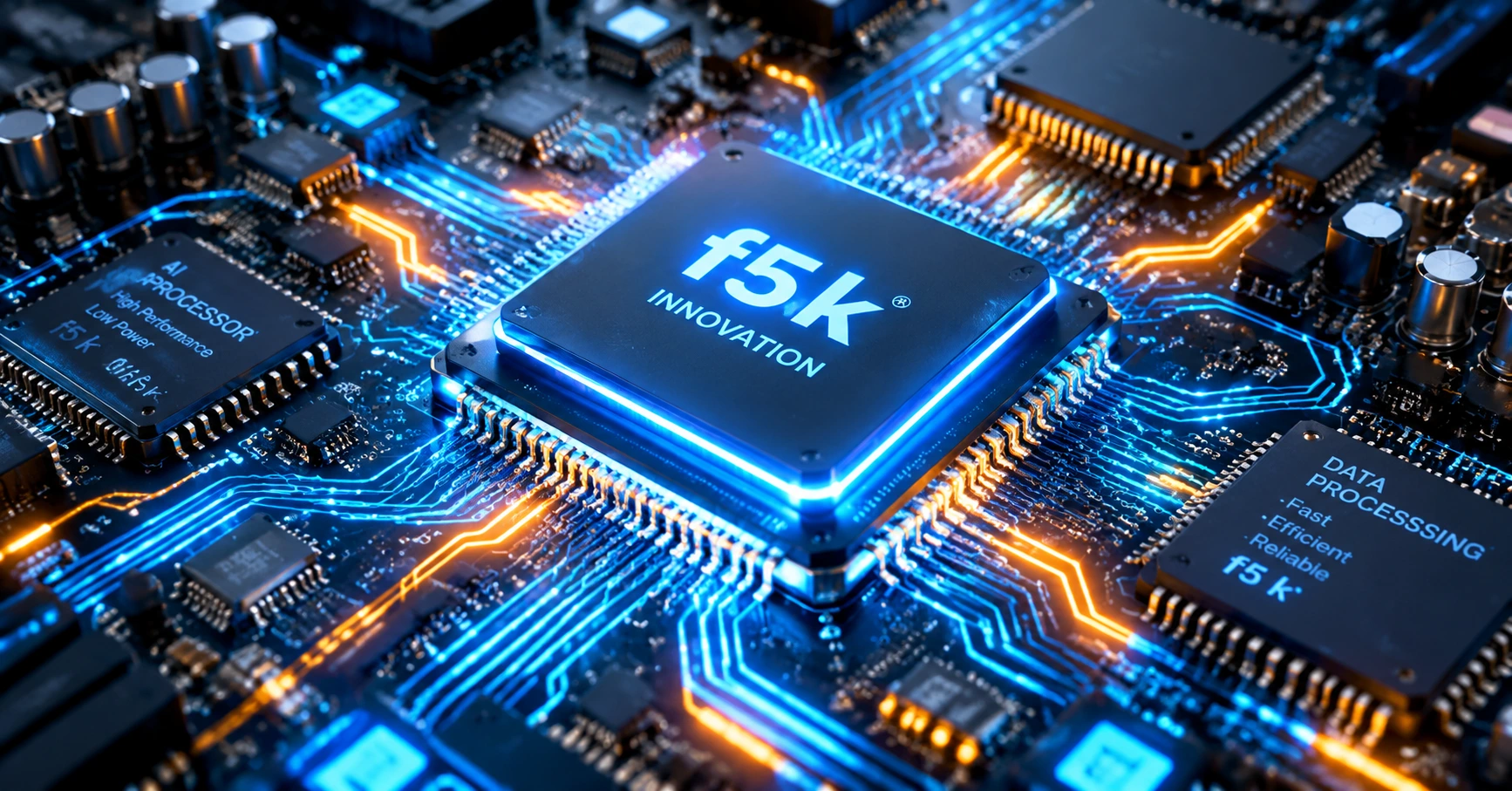
In addition to its technical merits, f5 k offers economic advantages. By streamlining processes and reducing operational overhead, it contributes to cost savings for organizations. The technology’s efficiency translates into lower energy consumption and decreased maintenance requirements, aligning with sustainable practices and long-term financial benefits.
Looking ahead, the future of f5 k appears promising. Continuous advancements in the underlying technologies such as á5a, çc5, and vk_5a are expected to further enhance its performance and expand its application scope. Researchers and developers are actively exploring new ways to leverage f5 k in emerging fields including artificial intelligence, cloud computing, and IoT.
To summarize, f5 k represents a pivotal development in contemporary technology landscapes. Its integration with components like á5a, çc5, vk_5a, and o 5k not only boosts its functionality but also ensures it remains a versatile and powerful solution. For anyone seeking to enhance system efficiency and reliability, understanding and utilizing f5 k is essential.